Purchasing a Bio Paper Cup Machine can be a pivotal decision for your business. This investment not only reflects your commitment to sustainability but also meets market demands. The growth of eco-friendly packaging is undeniable, and a quality machine is essential.
Choosing the right equipment involves considering various factors. You need to evaluate the machine’s efficiency, production capacity, and material compatibility. It's essential to research manufacturers with a track record of reliability and support. Sometimes, the most popular choices may not be the best fit for your specific needs.
Understanding these nuances ensures you avoid common pitfalls. You might feel overwhelmed by the options available. Take your time to analyze features against your operational goals. Make informed decisions, as every detail matters when investing in a Bio Paper Cup Machine. This choice impacts your business’s sustainability journey, shaping how you serve your customers.
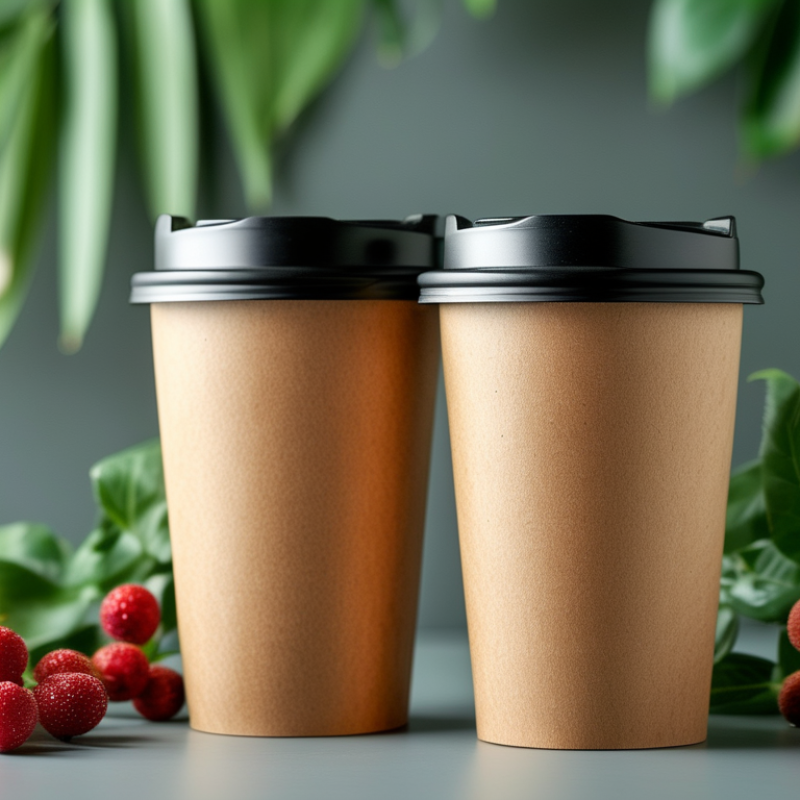
Understanding bio paper cup machines is crucial for those entering the eco-friendly packaging industry. These machines are designed to produce cups that meet rising consumer demands for sustainable products. Recent industry reports indicate that the global paper cup market is expected to reach approximately $2.7 billion by 2025, driven by increased environmental concerns and regulatory changes regarding single-use plastics.
When selecting a bio paper cup machine, it’s essential to consider key features. These include production capacity, eco-friendly materials compatibility, and energy efficiency. Machines that handle various paper weights can accommodate diverse cup designs, enhancing versatility. Additionally, with a reported reduction in production costs by nearly 15% when using advanced technology, investing in the right machine can yield significant long-term savings.
However, some manufacturers may face challenges. The technology behind these machines can be complex, and maintenance may require specialized knowledge. Training staff adequately is vital to maximize production efficiency. Understanding these basic aspects of bio paper cup machines can help businesses navigate this evolving market more effectively.
When considering a bio paper cup machine, there are essential features to evaluate. First, look for the machine's capacity. Industry reports indicate that average production rates range from 30 to 120 cups per minute. Ensuring the machine meets your demand is crucial. A model with higher output may initially seem appealing. However, consider your production needs carefully to avoid unnecessary costs.
Next, assess the materials compatibility. A quality bio paper cup machine should handle various types of biodegradable paper. The market demand for eco-friendly products is growing rapidly. According to a recent study, over 60% of consumers prefer sustainable packaging options. Therefore, being able to use diverse materials is essential for businesses aiming to stay competitive.
Lastly, focus on maintenance and ease of operation. Machines that require frequent servicing can disrupt production. Look for user-friendly controls and automated systems. Regular technology updates are critical; they can improve efficiency and reduce labor costs. Investing in a reliable machine is key, but always be mindful of specific requirements within your own operations to avoid future challenges.
| Feature | Importance | Recommended Specifications |
|---|---|---|
| Production Capacity | Determines output volume and efficiency. | Minimum of 200 cups/minute. |
| Machine Size | Affects space requirements and installation. | Compact models under 5m². |
| Material Compatibility | Ensures versatility in cup production. | Compatible with various bio-degradable paper grades. |
| Automation Level | Impacts labor costs and production consistency. | High automation with minimal manual intervention. |
| Energy Efficiency | Reduces operational costs and environmental impact. | Meets energy-efficient standards (ISO 50001). |
| Maintenance Requirements | Impacts downtime and longevity of the machine. | Low maintenance frequency (quarterly). |
When considering the purchase of a bio paper cup machine, it is essential to evaluate your budget carefully. Machines come in a wide range of prices depending on their capacity and features. Before making a decision, gather quotes from various suppliers. This step will help you understand the market rates and avoid overspending. Don't forget to factor in additional costs like shipping and installation. These can add a significant amount to your overall expense.
Assessing your long-term production needs is crucial. Consider how many cups you anticipate making each day. A machine that might be cheap could end up being costly if it cannot meet your production demands. Look at the reliability of the equipment as well. Machines that frequently break down can lead to costly downtime. It’s advisable to seek feedback from other users to gauge a machine's effectiveness. Their experiences can help you avoid potential pitfalls that come with your purchase.
Finally, ensure you have a plan for maintaining the machine. A lower initial cost might tempt you, but neglecting maintenance can lead to expensive repairs. A sound budget will not just consider the purchase price but will also encompass ongoing operational costs. Reflect on how much you can truly invest and make informed choices.
When purchasing a bio paper cup machine, assessing supplier reputation is crucial. Start by reviewing customer feedback online. Look for independent forums where users discuss their experiences. Reliable suppliers often showcase their past work and client testimonials. Analyzing these insights can reveal the strengths and weaknesses of the supplier.
After-sales support is another critical aspect. Ensure the supplier provides comprehensive assistance after the purchase. This includes installation help and troubleshooting advice. Ask about warranty terms and response times for service requests. It can be frustrating to deal with a machine malfunction without reliable support. Check if the supplier offers training materials or sessions. Such resources can enhance your understanding and efficient use of the machine.
Keep in mind that not all suppliers will meet your expectations. Some may offer elegant machines but lack solid support. It's essential to weigh the pros and cons. A fancy machine without good after-sales support can lead to operational hiccups. Focus on finding a balance between quality equipment and dependable service.
When considering bio paper cup production, environmental factors play a crucial role. It’s essential to select environmentally friendly materials for the cups. Look for paper sourced from sustainable forests. Using biodegradable coatings also contributes to reducing environmental impact. These materials break down naturally and don’t harm ecosystems.
Production efficiency is important. Choose a machine that minimizes waste during the manufacturing process. Machines that produce in bulk can help reduce the overall carbon footprint. Regular maintenance of the equipment ensures consistent performance and efficiency. Efficiency not only saves resources but also reduces costs in the long run.
Stay informed about regulatory standards. Compliance with environmental guidelines enhances reliability. It also fosters trust among consumers who prioritize sustainable practices. Engaging with industry experts can provide valuable insights into the latest trends and technologies. Make decisions based on robust research and analysis to ensure you're on the right track.
: Look at the machine's capacity, materials compatibility, and ease of operation.
Most machines produce between 30 to 120 cups per minute.
The machine should handle various biodegradable papers to stay competitive in the market.
Review customer feedback on independent forums and look for client testimonials.
Ensure the supplier provides installation help, troubleshooting, and training resources.
Frequent servicing can disrupt production, so choose user-friendly models to minimize issues.
Efficient machines minimize waste and reduce costs by saving resources over time.
Use sustainable materials and minimize waste to reduce your carbon footprint.
It builds trust with consumers who value environmentally-friendly practices.
Regular updates and maintenance improve efficiency and reduce labor costs.
When considering the purchase of a Bio Paper Cup Machine, it's essential to understand the fundamental aspects of these machines, including their design and operational capabilities. Key features to look for include production speed, compatibility with different paper types, and ease of maintenance. Evaluating the cost and budget for your purchase is also crucial, as prices can vary significantly based on specifications and supplier offerings.
In addition, assessing the reputation of the supplier and the level of after-sales support they provide can greatly impact your overall experience with the machine. Finally, environmental considerations play a vital role in bio paper cup production, ensuring that the machine you choose aligns with sustainability goals while delivering high-quality products. By focusing on these aspects, you can make a well-informed decision that meets both your business needs and ecological responsibilities.

Huan Qiang